ShamFix
Back to insights

End of Tenancy Cleaning Dublin: A Practical Guide

End of tenancy cleaning in Dublin: what a move-out clean covers, RTB deposit rules, a room-by-room checklist, typical pricing and how to brief a cleaner.

18 min read
End of Tenancy Cleaning Dublin: A Practical Guide

Under RTB rules, a landlord may only deduct a deposit for rent arrears, unpaid bills or damage beyond normal wear and tear. A professional clean is evidence of the property's condition, not a guarantee that the deposit will be returned.

The final morning of a Dublin tenancy often exposes the problem. The belongings are gone, the keys are due back, and the tenant notices limescale around the shower, grease inside the oven or dust along the skirting boards. A landlord or letting agent may also be comparing every room against the check-in inventory, judging whether the property looks tidy from the doorway.

That makes end of tenancy cleaning in Dublin a handover exercise, not just a bigger version of a weekly clean. Tenants need a documented standard of cleanliness, while landlords need an accurate comparison between the condition at move-in and the condition at move-out. The cleaning matters, but so do dated photographs, written communication, meter readings and a clear record of any pre-existing defect.

What End of Tenancy Cleaning Means in Dublin

The RTB says a landlord can retain part of a tenancy deposit only for lawful reasons, including unpaid rent or damage beyond normal wear and tear. Routine cleaning charges aren't automatically valid, and the deposit should be returned as soon as possible after the tenancy ends unless there's a legal reason to withhold it. The Residential Tenancies Board deposit guidance also makes clear that deductions should relate to a genuine liability, not a blanket cleaning fee.

That distinction changes how a tenant should approach the job. An end-of-tenancy clean aims to return the property to the reasonably clean and tidy condition recorded at check-in. It doesn't repair ageing appliances, repaint every scuff caused by ordinary occupation or correct defects that existed before the tenancy.

A clear visual guide to end of tenancy cleaning in a Dublin rental property, showing an empty apartment with key cleanin

Handover cleaning versus routine cleaning

A regular weekly or fortnightly clean usually concentrates on visible surfaces and current household use. A move-out clean goes deeper because the property is empty and every area is exposed for inspection.

A credible scope commonly includes:

  • Kitchen appliances: Cleaning the oven interior, hob, extractor hood, splashbacks, cupboards, drawers, sink, worktops and the inside of appliances.

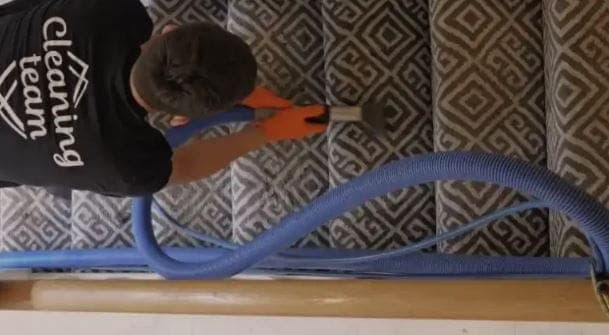
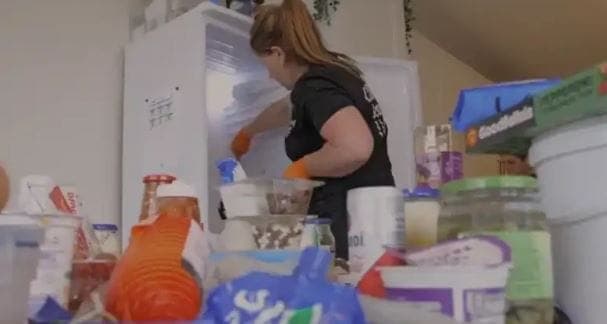
  • Fridge and freezer: Emptying, cleaning and defrosting the appliance where required, then drying seals, shelves and drawers.

  • Bathrooms: Removing limescale from taps, showerheads, screens and tiles, while cleaning grout, silicone, toilets, mirrors, plugholes and ventilation grilles.

  • Windows and fittings: Cleaning accessible internal glass, sills, frames, doors, handles, radiators and skirting boards.

  • Floors and surfaces: Vacuuming carpets, mopping hard floors, removing cobwebs and wiping light fittings, sockets and other reachable surfaces.

The work is normally tied to a lease ending, a break clause, a property sale, a re-let or a disagreement about condition. Most cleaners quote it as a fixed job based on property size and scope, rather than charging only for hours worked. That format is sensible because the inventory, contamination and equipment required matter more than the clock.

Practical rule: The finished clean should sit beside the check-in inventory and dated move-out photographs. It shouldn't be treated as a substitute for either document.

Tenants and landlords can use ShamFix Insights for related practical guidance, but the controlling documents remain the tenancy agreement, inventory and evidence of condition.

Who Is Responsible for Cleaning at Handover

The tenant's basic obligation is to return the property in good condition, allowing for fair wear and tear. The RTB explains that tenants must look after the property, report repairs and allow reasonable access for maintenance. The RTB guidance on wear and tear separates ordinary ageing from damage that a tenant should put right.

The landlord's responsibility is different. Structural repairs, replacing an appliance that has reached the end of its useful life and correcting a defect that pre-dates the tenancy generally belong to the landlord. Cleaning can't be used to transfer an old maintenance problem to the departing tenant.

Task Area Tenant Responsibility Landlord Responsibility
General cleanliness Return rooms, floors, surfaces and appliances in the condition recorded at check-in, allowing for fair wear and tear Arrange any broader re-let work that isn't part of the tenant's obligation
Oven and appliances Clean accumulated grease and food residue caused during the tenancy Replace or repair an appliance that has failed through age or an existing defect
Bathroom limescale Remove deposits that built up through ordinary use where the tenant's cleaning duty covers them Address plumbing, ventilation or structural problems causing persistent damp or mould
Mould and ventilation Report the issue, ventilate reasonably and avoid creating avoidable moisture damage Investigate building-related damp, inadequate ventilation or leaks
Carpets and furnishings Follow a clear lease requirement and return listed furnishings in comparable condition Pay for replacement or remedial work linked to age, pre-existing damage or fair wear
Walls, doors and fittings Clean removable marks and report damage caused during the tenancy Deal with ordinary decoration, ageing and defects present at check-in

The inventory decides the grey areas

Older Dublin housing can create disputes over extractor fans, tile grout, silicone seals and mould. A tenant shouldn't accept responsibility for a building defect because it appears during the final inspection. The tenant should report it in writing, keep the correspondence and distinguish the need to clean a surface from the landlord's duty to repair the cause.

The tenancy agreement and check-in inventory carry more weight than a casual verbal assurance from an agent. If the lease specifies professional carpet cleaning or a particular appliance standard, that clause needs to be read alongside the condition recorded at move-in. A landlord can't fairly demand a better condition than the tenant received, while a tenant can't dismiss a clearly documented cleaning obligation as ordinary wear.

Room by Room Checklist for a Dublin Rental

At handover, a clean property is also a record of its condition. Follow the inventory, photograph the same views used at check-in, and keep evidence of marks that may belong to the building or pre-date the tenancy. A checklist helps, but it does not guarantee a deposit refund if the inventory records damage or unpaid costs.

A practical room by room end of tenancy cleaning checklist for a Dublin rental property, showing an empty modern apartme

Entrance, hallway and shared access

Start at the front door and work inwards. Wipe the door face, frame, letterbox, handles, switches, skirting boards and accessible light fittings. Vacuum stairs, landings and corners, then mop hard flooring without leaving a film.

In an apartment, check the access route covered by the agreement. A shared stairwell or communal corridor is generally outside the tenant's cleaning responsibility unless the tenancy documents say otherwise. Private entrance areas, balconies and allocated storage spaces may still appear in the inventory, so photograph them after cleaning.

Kitchen

The kitchen needs the closest inspection. Grease and food residue remain visible around edges after cupboards are emptied.

  • Cooking area: Degrease the hob, oven interior, oven door, racks, extractor hood and removable filters.

  • Storage: Wipe cabinet doors, drawer fronts, interiors, handles, plinths and kickboards.

  • Sink and splashback: Descale taps and the sink, remove splashback residue and clean the seal around the worktop.

  • Hidden edges: Clean behind bins, under the sink and around appliance gaps. Report leaks or damaged units instead of hiding them.

  • Cold appliances: Empty, defrost and dry the fridge and freezer. Clean shelves, drawers, walls and door seals, then leave the doors as the landlord or inventory specifies.

Photograph the oven interior, appliance seals and any damage separately. Those images help distinguish unfinished cleaning from a repair issue during a deposit discussion.

Bathroom

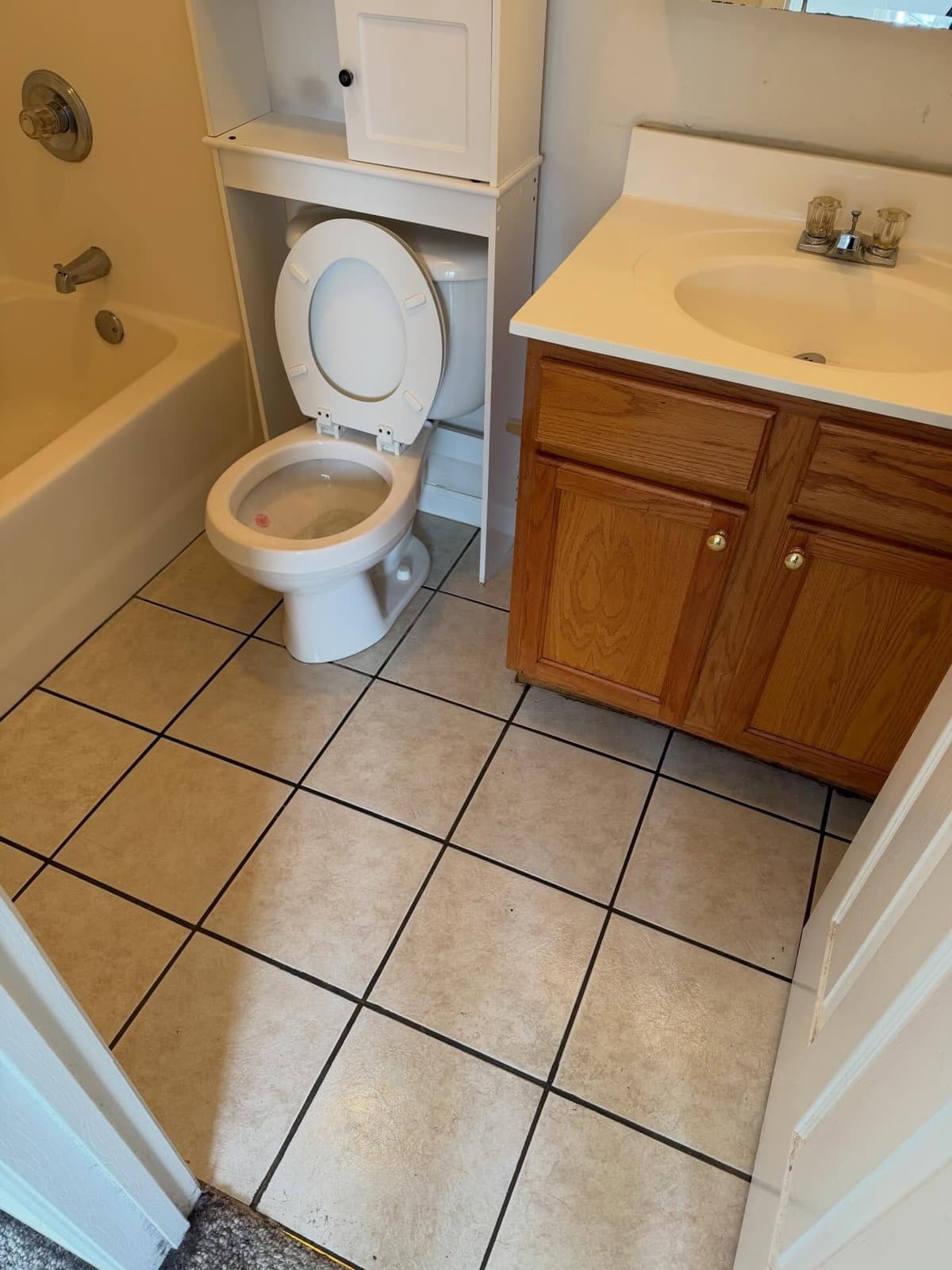
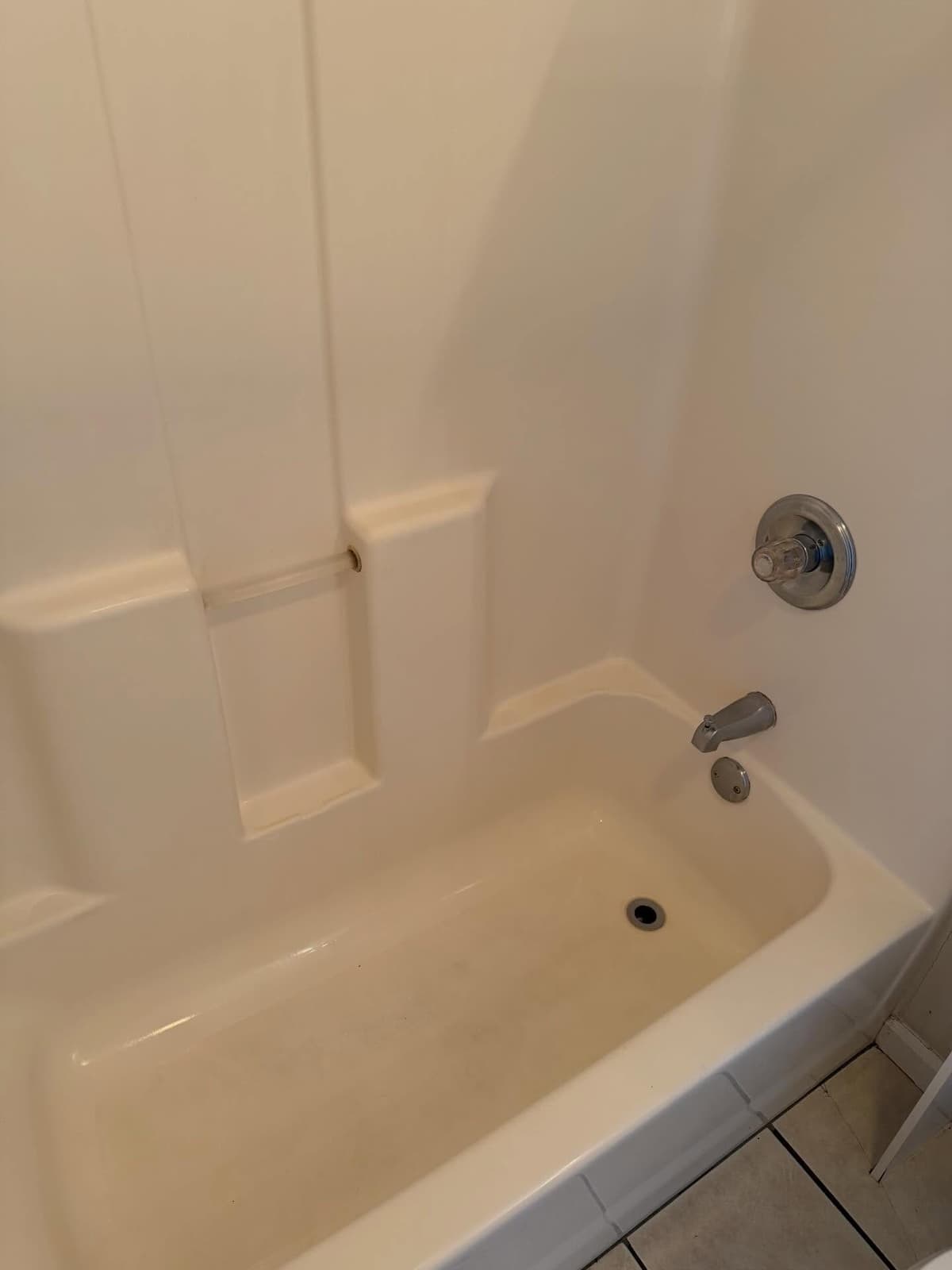
Remove limescale from showerheads, taps, screens, tiles and glass. Clean grout and silicone without damaging them. Check the toilet, basin, bath, plugholes, mirror, vanity, extractor grille and floor.

Mould requires a clear record. Clean a removable surface mark where appropriate, but report recurring mould linked to a leak or inadequate ventilation with photographs. A tenant should not present bleach as a repair, and a landlord should investigate the cause before treating every mould mark as tenant damage.

Bedrooms and living areas

Bedrooms require more than vacuuming the centre of the floor. Check wardrobes, drawers, shelves, skirting boards, sockets, light fittings, curtains, blinds, window sills and the backs or undersides of inventory-listed furniture.

In living rooms, dust radiators, door frames, handles, television units and reachable ledges. Spot-clean removable wall marks within reason. Photograph deeper paint damage or existing scuffs instead of scrubbing until the finish changes.

Final exterior and whole-property pass

Utility rooms, small rear yards, balconies and bin areas should be checked where they form part of the tenancy. For larger volumes of waste, use this guide to skip hire vs man-with-van Kildare to choose a removal option suited to the property. The final pass should cover internal windows, floors, radiators, handles, frames and listed furniture.

Photograph each room from angles comparable with the check-in images. Include close-ups of the oven, fridge seals, carpets, bathroom fittings and any disputed mark. The RTB landlord and tenant guide says the property should be left clean and tidy, and recognises that the tenant can arrange cleaning or the landlord can arrange it and deduct a lawful cost where appropriate. Keep the checklist, photographs and messages together before handover.

How End of Tenancy Cleaning Is Priced in Dublin

Dublin cleaners generally quote an end-of-tenancy job as a fixed price for the property, not as a simple hourly service. The quote should reflect the size of the home, its condition, the inventory and specialist tasks such as oven cleaning, carpet extraction or fridge defrosting.

Irish market rates for end-of-tenancy packages commonly span roughly €120 to €750, depending on property size and scope. That range is broad because a lightly used apartment and a heavily soiled house don't require the same labour, products or equipment.

Property Size Typical Quote Range (€) Common Add-Ons
Smaller rental Within the lower part of the €120 to €750 Ireland-wide range Oven interior, internal windows, fridge/freezer work
Mid-sized rental A scope-based quote within the same benchmark range Carpet extraction, upholstery, mattresses
Larger house Toward the upper part of the benchmark range Multiple bathrooms, stairs, balcony, yard or bin-store work

These are not fixed Dublin tariffs. A cleaner should confirm the exact scope before booking, particularly where the property has heavy grease, bathroom limescale, mould, carpet staining, furnished rooms or restricted access.

What a quote should state

A reliable written quote should say whether it includes the kitchen appliances, bathrooms, internal windows, floors, skirting boards and standard surface cleaning. It should separately identify carpet extraction, upholstery, mattress cleaning, balcony work, waste removal, parking-related access costs and any additional preparation.

VAT should also be clarified. The invoice should state whether VAT is included and which rate applies, rather than leaving the tenant or landlord to calculate it afterwards. The cheapest headline quote is often incomplete if it excludes the oven, carpets, waste or difficult access.

Last-minute bookings can also create practical problems. The clean should be arranged before the handover date, leaving enough time for a missed item to be corrected without delaying the key return.

DIY Cleaning Versus Hiring a Professional

DIY cleaning can work when the property is modest, the tenant has time and the inventory is straightforward. The tenant controls the products, can revisit missed areas and avoids paying a separate cleaning invoice. The weak point is not only effort. It's the lack of an independent record if the landlord later disputes the condition.

A professional cleaner brings equipment, a written scope and an invoice. That can help establish what was requested and completed, especially when the job includes oven degreasing, carpet extraction or difficult limescale. It still doesn't turn a cleaning invoice into proof that a deduction is lawful.

A clear comparison graphic for end of tenancy cleaning, showing side by side DIY move-out cleaning versus hiring a profe

The practical decision

DIY is more defensible when:

  • The inventory is simple: The property has hard floors, limited furnishings and no specialist carpet or appliance requirement.

  • The tenant has access: Cleaning can happen before the final inspection, not during a rushed key handover.

  • The condition is already good: There's no built-up grease, heavy limescale or neglected appliance interior.

Professional help is more sensible when:

  • The property is furnished: Wardrobes, curtains, upholstery and listed appliances create more inspection points.

  • Specialist equipment is needed: Carpet extraction or oven cleaning may be difficult without suitable machines and products.

  • The evidence matters: A written invoice and dated completion photographs can support the tenant's account of the handover.

The ShamFix process describes a marketplace route for connecting users with local service providers. Regardless of the booking method, the deciding test in a deposit dispute is the condition compared with the check-in report, not whether a tenant used a branded cleaning company or cleaned independently.

Choosing and Briefing a Dublin Cleaner

A cleaner should receive the inventory before giving a final quote. Sending only the property address encourages vague pricing and leaves the tenant exposed to add-on charges on the day.

The briefing should include the check-in report, landlord or agent photographs, the handover date, parking restrictions, building access instructions, bin-store codes and every requested add-on. If the oven, carpets, balcony or fridge/freezer needs separate treatment, it should appear in writing. Tenants comparing end of tenancy cleaning providers in Dublin should still send the same detail before booking.

A practical checklist scene for choosing and briefing an end of tenancy cleaning service in Dublin, showing a tenant rev

Questions to ask before booking

  • Check recent reviews: Look at Google reviews from the recent period and read comments about move-out cleans, communication and missed items.

  • Request local references: Ask for recent Dublin references where the cleaner can describe the scope completed.

  • Confirm insurance: Request confirmation of public-liability insurance and ask what the policy covers if an item is damaged.

  • Get the scope in writing: The quote should list rooms, appliances, windows, floors and all extras.

  • Agree the correction process: Ask whether the cleaner will return to address an item missed during the agreed inspection.

  • Set the access plan: Confirm arrival time, keys, parking, lift access, alarm instructions and the final walk-through.

The tenant should be present at the start where possible and should inspect the finished work before releasing keys. Timestamped photographs should cover every room, the oven, fridge seals, bathroom fittings, carpets and any area previously marked in the inventory.

Find local pros in Ireland is one marketplace option for locating local service providers. ShamFix is a marketplace and doesn't perform cleaning, inspect documents or guarantee a provider's work. Cleaning is not a regulated trade in Ireland, so insurance, a written scope and genuine customer reviews remain important safeguards.

Final Inspection and Deposit Disputes in Ireland

The final inspection should be treated as a documented handover. The tenant should bring the check-in inventory, move-in photographs, a copy of the tenancy agreement, cleaning invoice if applicable, meter readings and all keys.

During the walk-through, each room should be compared with the inventory. Photographs should show the overall condition as well as details such as the oven, bathroom limescale, carpets, windows, fridge interior and any mark the landlord says is new. If the landlord accepts that a defect was pre-existing, the tenant should record that acceptance in writing.

What happens if a deduction is proposed

Irish guidance limits lawful deductions to matters such as rent arrears, unpaid bills for which the tenant is liable and damage beyond fair wear and tear. The Irish government tenancy rights guidance supports that framework. A routine cleaning charge, without a genuine failure to return the property in reasonably clean condition, isn't enough by itself.

The landlord should provide an itemised explanation and supporting evidence where money is withheld. The tenant should request photographs, receipts, invoices and the calculation behind the deduction, then keep all replies and dates in one file.

A clear step by step property handover and deposit inspection infographic for an Irish rental, showing an empty clean ap

If direct communication fails, the RTB provides a structured dispute process. A dispute should be raised promptly, with documentary proof; tenants should confirm the current process and any time limits directly with the RTB before filing.

A clean property strengthens the evidence. It doesn't erase rent arrears, unpaid bills, damage or an incomplete handover.

The final preparation

In the final days before handover, the tenant should remove all belongings, complete the agreed cleaning, test that appliances are empty and dry, photograph each area, record meter readings and return keys through a traceable method. The landlord should compare the property fairly with the inventory, separate wear from damage and avoid a standard cleaning deduction unsupported by evidence.

Homeowners and tenants can use the same approach when arranging a move-out clean: confirm the scope in writing, keep photographs, and line up the handover against the inventory.

Frequently Asked Questions

Can a landlord deduct a deposit just for cleaning?

A landlord cannot lawfully keep a deposit simply by applying a standard cleaning charge. Under RTB guidance, any deduction must relate to a genuine liability such as rent arrears, unpaid bills, or damage beyond normal wear and tear, and the condition of the property should be judged against the check-in record and the tenant's obligation to leave it clean and tidy. See the Residential Tenancies Board deposit guidance.

Is a professional end of tenancy clean legally required?

A professional cleaning company is not automatically required by law at the end of every tenancy. What matters is whether the tenant returns the property in a reasonably clean condition and meets the tenancy obligations that apply to that specific rental. RTB and Citizens Information guidance focus on the condition of the property and the terms of the tenancy, not on a universal rule that a paid cleaner must be used. See Citizens Information on tenants' rights and obligations and the RTB landlord and tenant guide.

How long does an end of tenancy clean take?

The time needed depends on the size of the property, its condition, whether it is furnished, and whether appliances, carpets or heavy limescale need extra work. Rather than relying on a generic time estimate, tenants should ask the cleaner to confirm the scope and practical timing in writing so the work fits the inspection and key return schedule.

When should the clean be booked?

The clean should be booked early enough to finish before the final inspection and key handover, with enough time left to correct any missed item. RTB guidance stresses the importance of leaving the property clean and tidy at the end of the tenancy, so last-minute cleaning that runs into the handover can create avoidable disputes. See the RTB landlord and tenant guide.

Do you offer end of tenancy cleaning in Dublin?

Listing on ShamFix is free and there's no commission; a subscription is planned for the future. Providers can be among the first found as local demand grows, with no promises of lead volume or response speed. Visit ShamFix for tradesmen to explore the marketplace.

Keep reading